Periodontal Therapy – Lacey, WA
Reversing the Effects of Gum Disease
A healthy smile is not solely dependent on the condition of your teeth. There are some “behind the scenes” players who have a very important role to play in the smile you show the world-- namely your gums and the supporting bone structure underneath. Without these, your smile would literally collapse. Thus, the importance of healthy gums cannot be overstated. To ensure that your gums are in the best condition possible, Drs. Peterson and Cammack offer periodontal therapy for Lacey, WA, residents and the surrounding communities.
Why Choose Peterson & Cammack Family & Cosmetic Dentistry for Periodontal Therapy?
- Custom-Tailored Gum Disease Therapy
- Caring Team of Family Dentists
- In-Network with Major Dental Insurance Plans
What is Gum Disease?
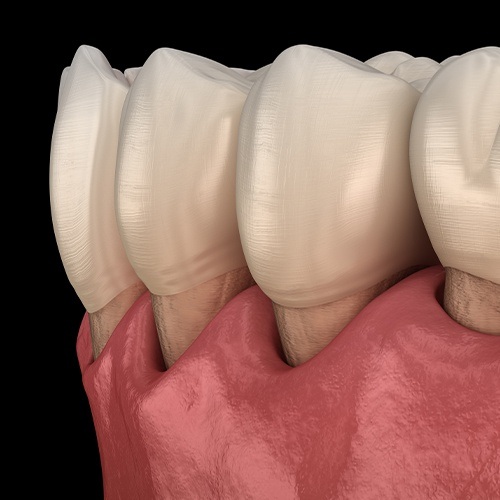
You’ve probably heard gingivitis mentioned in a commercial for toothpaste or mouth rinse. This is the first stage of the bacterial infection that is gum, or periodontal, disease. The disease begins with plaque buildup. This is where bacteria hide and excrete the toxins that begin to break down gum and bone tissue. The second stage is called periodontitis. Each stage is recognized by a different set of symptoms.
Gingivitis:
- Gums that are red instead of pink
- Swollen and tender gums
- Gums that bleed when you brush, floss or eat hard foods
Periodontitis:
- Bad breath
- A bad taste in your mouth
- Pus in between your teeth
- Changes in your bite or the way teeth come together
- Loose teeth
If not treated, periodontitis can ultimately necessitate tooth extraction.
Who is Likely to Have Gum Disease?

Some people are at greater risk for developing periodontal disease. For example, smokers are much more likely to have gum disease than non-smokers, and smoking makes treating gum disease more difficult. Other risk factors include hormonal changes, immunosuppressive illnesses, and certain medications that reduce saliva production, diabetes, and genetics.
How Do We Treat Gum Disease?
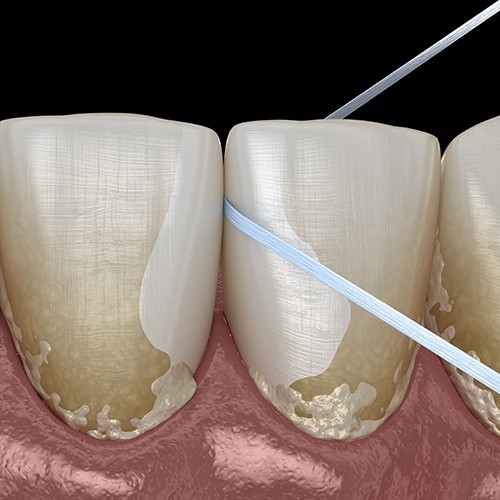
If caught early at one of your regular checkups with Dr. Peterson or Dr. Cammack, then gum disease may be reversible with renewed oral healthcare at home. In addition to effective brushing with a soft toothbrush, flossing is particularly important. This removes plaque from along the gum line and below. At first, you may notice that your gums bleed. Don’t let this stop you. Your gums will become stronger after a few days and the benefits of flossing will begin to show.
If the disease has gone undetected for some time, then in-office treatment may be necessary. We offer scaling and root planing. Scaling removes plaque and tartar (hardened plaque) from the visible surface of your teeth as well as from below the gum line. Planing smoothes the root surfaces making it less likely for plaque to cling. A topical antibiotic may also be applied to kill the infection.
If you’re noticing any of the symptoms of periodontal disease mentioned above, then please don’t delay. Schedule an appointment. Dr. Peterson and Dr. Cammack are fully committed to providing patients of all ages with an oral healthcare home that promotes comfort, convenience, and quality.
Scaling & Root Planing
When gum disease progresses to more advanced stages, the bacteria travel from the surface of your gums to the deeper tissue layers. Thus, increased oral hygiene efforts at home may not be enough to eliminate the disease and restore your oral health. To make matters worse, as the bacteria continue to damage the gums, empty pockets can form where the tissue pulls away from dental roots. Gum disease bacteria can easily accumulate in this pockets, which is why they’re known as “periodontal pockets.”
Fortunately, this is where scaling and root planing comes in. Your experienced dentists in Lacey will target the bacteria hiding beneath the gumline and smooth out periodontal pockets to reduce your risk of reinfection.
Do I Need Scaling & Root Planing?

Not everyone who develops gum disease needs scaling and root planing. Typically, we only recommend this treatment when the bacteria have infected the deeper layers of gum tissue. You might experience bleeding when you brush or floss, loose teeth, or dental discomfort as a result, but some patients don’t develop any noticeable symptoms. The best way to know whether you need scaling and root planing is to visit us for a thorough oral exam.
The Process of Scaling & Root Planing
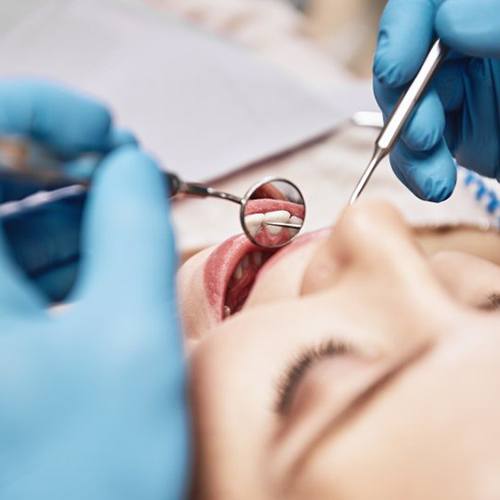
For the scaling portion of your gum disease treatment in Lacey, your dental hygienist will use special dental instruments to remove harmful bacteria from your smile. Unlike a routine cleaning, they’ll also work below your gumline to eliminate the harder-to-reach bacteria.
The goal of root planing is to smooth out your gums and close periodontal pockets. Your dental hygienist will gently massage the tissue, encouraging it to reattach to your dental roots in the process. This should help stabilize loose teeth and help prevent reinfection in the future.
Aftercare Tips for Scaling & Root Planing

You may feel temporary soreness after scaling and root planing. We recommend sticking to a soft food diet until your gums have healed, and encourage you to take over-the-counter pain relievers as needed for the discomfort.
It’s also important to note that scaling and root planing isn’t a “one-and-done” process. To avoid gum disease in the future, you’ll have to maintain good oral hygiene habits, like brushing twice per day and flossing once per day.
Rest assured, our team will provide you with thorough aftercare instructions before you leave the office, and you’re always welcome to call with any questions or concerns you may have about scaling and root planing aftercare!
Gum Disease Treatment FAQs
Will I eventually lose my teeth with gum disease?
It’s possible, but it's not always the case. If symptoms of early gum disease – gingivitis – are caught, they can be reversed with regular dental cleanings and good at-home oral hygiene habits. However, if bacteria continue to spread and reach the bone, the risk of tooth loss increases.
As the infection targets the underlying bone, it begins to cause deterioration, which can lead to loose permanent teeth. Without gum disease treatment in Lacey, your teeth will no longer have a stable foundation, leading to eventual tooth loss.
Is gum disease treatment worth the cost?
Absolutely. Receiving gum disease treatment not only ensures you will save money in the future by avoiding more serious issues, such as bone and tooth loss, but you’ll also lower your chances of needing tooth replacement, which can be a costly endeavor.
Dentures, dental implants, bone grafting, and other similar procedures and prosthetics are beneficial, but they are likely to be a significant investment in your time and money.
It’s also important to remember that if gum disease is not caught early, the consequences are irreversible. This means you will need to manage the problem long-term to try to repair your jawbone, teeth, and gums.
How can I manage gum disease while pregnant?
Many pregnant women develop gum disease due to hormonal changes during these 9 months. To prevent worsening symptoms, it is recommended that women practice good daily oral hygiene, including brushing with a soft-bristle toothbrush twice a day for 2 minutes, using fluoride toothpaste, flossing between teeth, and rinsing with dentist-approved mouthwash.
With this routine, pregnant women can lower their risk of gum disease by minimizing the number of bad bacteria that affect teeth and gum tissues.
Can I live a normal life with gum disease?
It is possible to live a normal life with gum disease; however, you will need to accept a few likely changes. Long-term gum disease is caused by periodontitis, a more advanced stage that produces symptoms that cannot be reversed but can be managed.
A consistent oral hygiene routine at home will help reduce harmful bacteria in your mouth, and more frequent dental cleanings will help ensure your gums remain free of infection.
If you experience tooth loss due to gum disease, we will discuss your options for tooth replacement, so you do not continue to struggle with eating and speaking.